When the weather turns cold, Pinterest fills up with searches for “healing soup” — the big, steamy, vegetable-loaded bowls people crave when they want something warm and simple. To be clear up front: no soup heals or cures anything. What a good pot of soup can do is make it easy to eat more vegetables, get a solid serving of protein, stay hydrated and put a comforting dinner on the table without much effort. That is what this list is about.
Below you’ll find eight cozy, nourishing soup ideas, a simple formula for building your own, batch-cooking tips, and a few notes on making soup part of a calmer, healthier week.
What Makes a Soup “Nourishing”?
The soups people call “healing” usually share a few traits. None of them are magic; they are just good cooking habits:
- Lots of vegetables. Carrots, celery, onion, leafy greens, squash and tomatoes add fiber, color and volume.
- A real protein source. Chicken, turkey, beans, lentils, tofu or eggs make a bowl filling enough to count as dinner.
- Aromatics and herbs. Garlic, ginger, turmeric, thyme, parsley and lemon add big flavor without extra salt or cream.
- A flavorful broth. Homemade or low-sodium store-bought broth keeps things light and lets you control the salt.
- Simple prep. One pot, mostly hands-off simmering, and leftovers that taste even better the next day.
8 Cozy, Nourishing Soup Ideas for Cold-Weather Weeks
1. Lemon Chicken Orzo Soup
Shredded chicken, carrots, celery and a small amount of orzo simmered in broth, finished with fresh lemon juice and dill. Bright, comforting and ready in about 35 minutes. Use whole-wheat orzo or swap in cauliflower rice for a lower-carb bowl.
2. Ginger Garlic Chicken and Greens Soup
Sauté plenty of fresh ginger and garlic, add broth and chicken, then stir in spinach or bok choy at the end. It’s light but satisfying, and the ginger gives it a warming kick that makes it a favorite on chilly evenings.
3. Golden Turmeric Lentil Soup
Red lentils cook down in about 20 minutes into a thick, creamy soup with no dairy needed. Season with turmeric, cumin and a squeeze of lime. Red lentils bring plant protein and fiber, which helps this bowl keep you full.
4. Classic Vegetable Bean Soup
Think minestrone without the fuss: onion, carrots, zucchini, canned tomatoes, cannellini beans and a handful of kale. Make a big pot on Sunday and you’ve got lunches for half the week.
5. Chicken and Wild Rice Soup
Nutty wild rice, mushrooms and chicken in a lightly thickened broth. It feels indulgent but stays balanced. Our full step-by-step chicken wild rice soup recipe walks you through it.
6. Roasted Butternut Squash and Carrot Soup
Roast squash, carrots and onion until caramelized, then blend with broth and a pinch of cinnamon or smoked paprika. Stir in a scoop of white beans before blending to add protein and a silky texture.
7. Turkey, Kale and White Bean Soup
Lean ground turkey browned with garlic and Italian herbs, plus white beans, kale and broth. It’s a high-protein bowl that comes together in one pot in about 30 minutes. Find more ideas in our list of high-protein soups.
8. Simple Bone Broth Sipping Soup
Warm bone broth with a little miso, sliced scallions, a soft-boiled egg and a few greens. It’s a nice light lunch or an afternoon warm-up on cold days.
A Simple Formula for Building Your Own Soup
Once you know the pattern, you can make a nourishing soup with whatever is in your fridge:
- Sauté aromatics (1 onion, 2–3 garlic cloves, a thumb of ginger or a few celery stalks) in 1 tablespoon of olive oil.
- Add hearty vegetables (about 3–4 cups: carrots, squash, potatoes, cabbage).
- Pour in 6–8 cups of broth and bring to a simmer.
- Add protein (2 cups cooked chicken or turkey, or 2 cans of rinsed beans, or 1 cup of dry lentils).
- Simmer 20–30 minutes until everything is tender.
- Finish fresh with leafy greens, herbs and a splash of lemon or vinegar.
That formula alone gives you dozens of combinations, so you never get bored.
Pantry Staples for Soup Season
Keeping a few basics on hand means you can make a warm, nourishing pot any night of the week, even when the fridge looks empty:
- Low-sodium chicken, vegetable or bone broth (cartons or concentrate)
- Canned beans: cannellini, chickpeas, black beans and kidney beans
- Dry red or green lentils and a quick-cooking grain like orzo, barley or brown rice
- Canned diced or crushed tomatoes and tomato paste
- Onions, garlic, carrots and celery, which all keep well for a week or more
- Frozen spinach, kale, peas and mixed vegetables
- Dried herbs and spices: thyme, oregano, bay leaves, cumin, turmeric, smoked paprika and black pepper
- Lemons or a bottle of vinegar to brighten the finished pot
With these in the cupboard, most of the soups above need just one fresh ingredient, such as a rotisserie chicken or a bunch of greens.
Batch-Cooking Tips for a Week of Easy Soup
- Cook once, eat three times. A big Dutch oven or slow cooker batch covers dinner plus two lunches.
- Freeze in portions. Use 2-cup containers or freezer bags laid flat. Most broth-based soups keep 2–3 months frozen.
- Keep pasta and rice separate. Cook grains on the side and add them when reheating so they don’t turn mushy.
- Add greens at the end. Stir spinach or kale into each bowl as you reheat for the best color and texture.
- Label everything with the name and date so your freezer doesn’t become a mystery.
For a full planning walk-through, see our healthy soup meal prep guide.
How to Make Soup Night Part of a Healthier Routine
Soup works best as an easy habit, not a strict rule. A few ideas that keep it sustainable:
- Pick two “soup nights” a week and rotate three favorite recipes.
- Pair your bowl with a side of protein or whole grains (a slice of whole-grain toast, a boiled egg or a side salad) so you stay satisfied.
- Watch the sodium in store-bought broth and canned goods; choose low-sodium versions and season to taste.
- Make it enjoyable: good bowls, fresh herbs and a little crunch on top (toasted seeds or croutons) make soup feel like a treat.
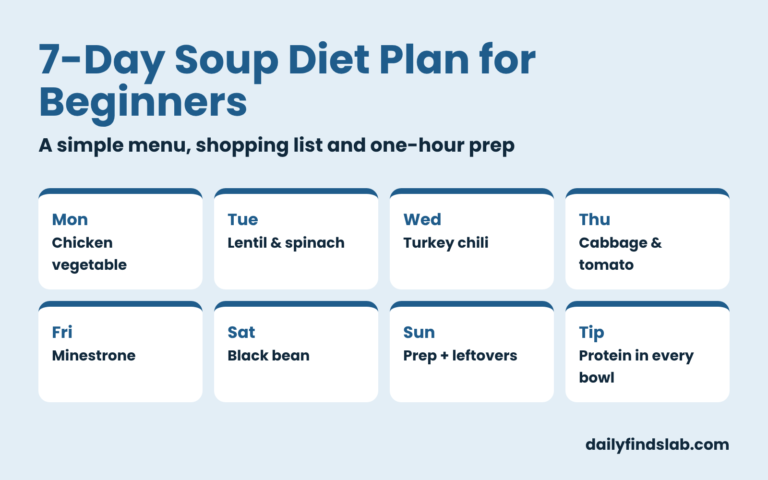
If you want a ready-made schedule, our free 7-day soup plan maps out a week of simple soup dinners.
Want a Structured Soup Plan? Our Honest Take on the 14-Day Rapid Soup Diet
Some readers prefer to follow a ready-made program with recipes, shopping lists and a set schedule instead of planning everything themselves. The 14-Day Rapid Soup Diet is one of the more popular soup-based plans, and we wrote an honest breakdown of what’s inside, who it might suit and what to consider before you buy. Read our 14-Day Rapid Soup Diet review.
We may earn a commission from links on this page. Results vary from person to person, and any eating plan works best when it fits your own needs. If you have a medical condition or specific dietary needs, check with your doctor or a registered dietitian before changing how you eat.
FAQ
Is “healing soup” a real thing?
“Healing soup” is a popular nickname for warm, vegetable-rich, brothy soups that feel comforting. Soup does not cure illness, but it can be an easy way to get fluids, vegetables and protein when you want something gentle and warm.
What is the most nourishing soup to make?
Look for a soup with a mix of vegetables, a solid protein (chicken, turkey, beans or lentils) and a flavorful low-sodium broth. Chicken and vegetable soup, lentil soup and bean-and-greens soup are all good choices.
How long does homemade soup last in the fridge?
Most homemade soups keep 3–4 days in the refrigerator in a sealed container. Freeze portions you won’t eat within that time.
Can I make these soups in a slow cooker?
Yes. Add everything except delicate greens and fresh herbs, cook on low for 6–8 hours, then stir in the greens and herbs right before serving.
How do I make soup more filling?
Add more protein (beans, lentils, chicken or turkey), include fiber-rich vegetables, and serve it with a whole-grain side. A spoon of Greek yogurt or a sprinkle of cheese on top also helps.